Container Rentals
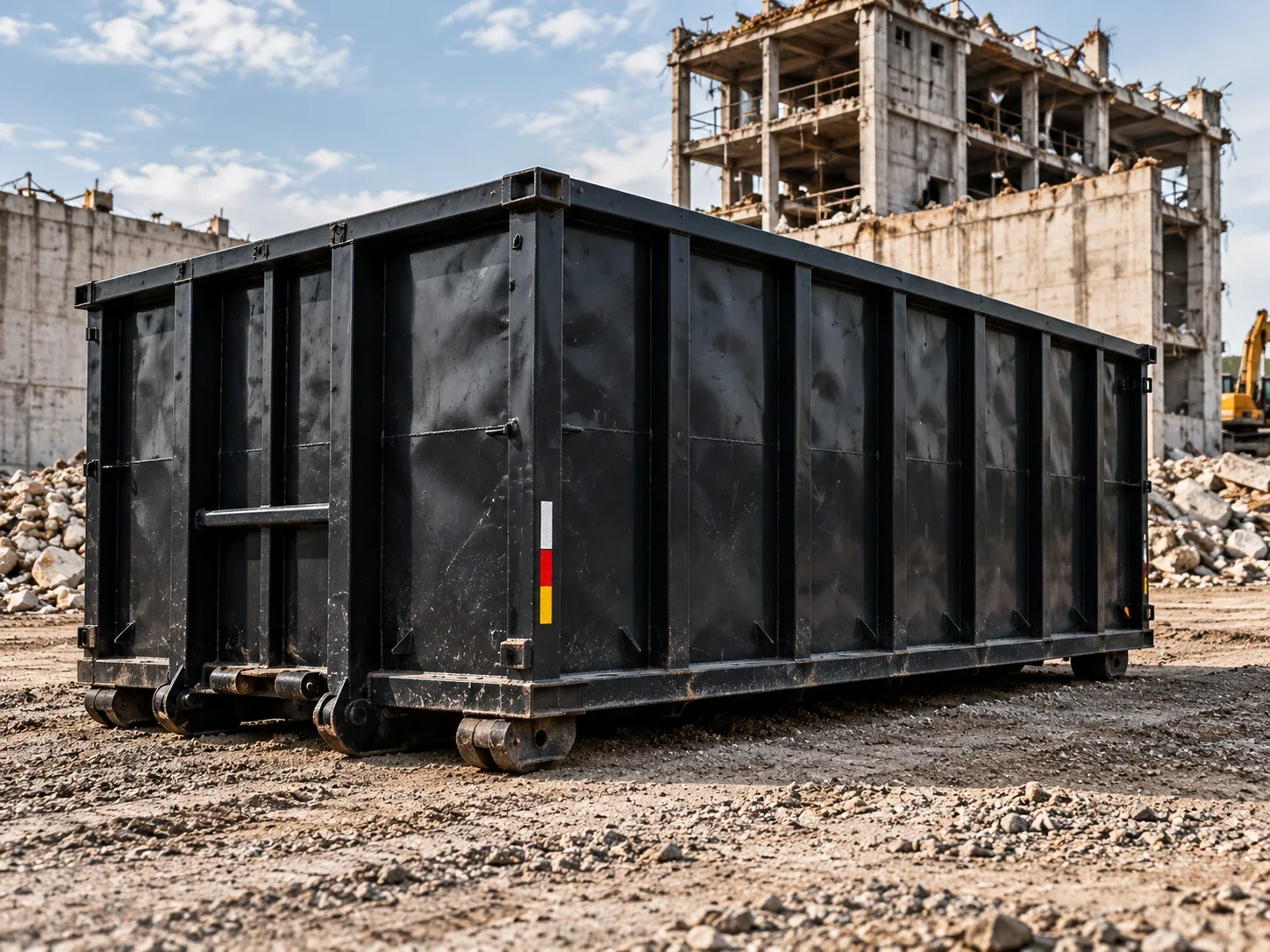
Roll-off containers delivered to your site, filled on your schedule, and hauled away when the work is done.
What container rentals covers
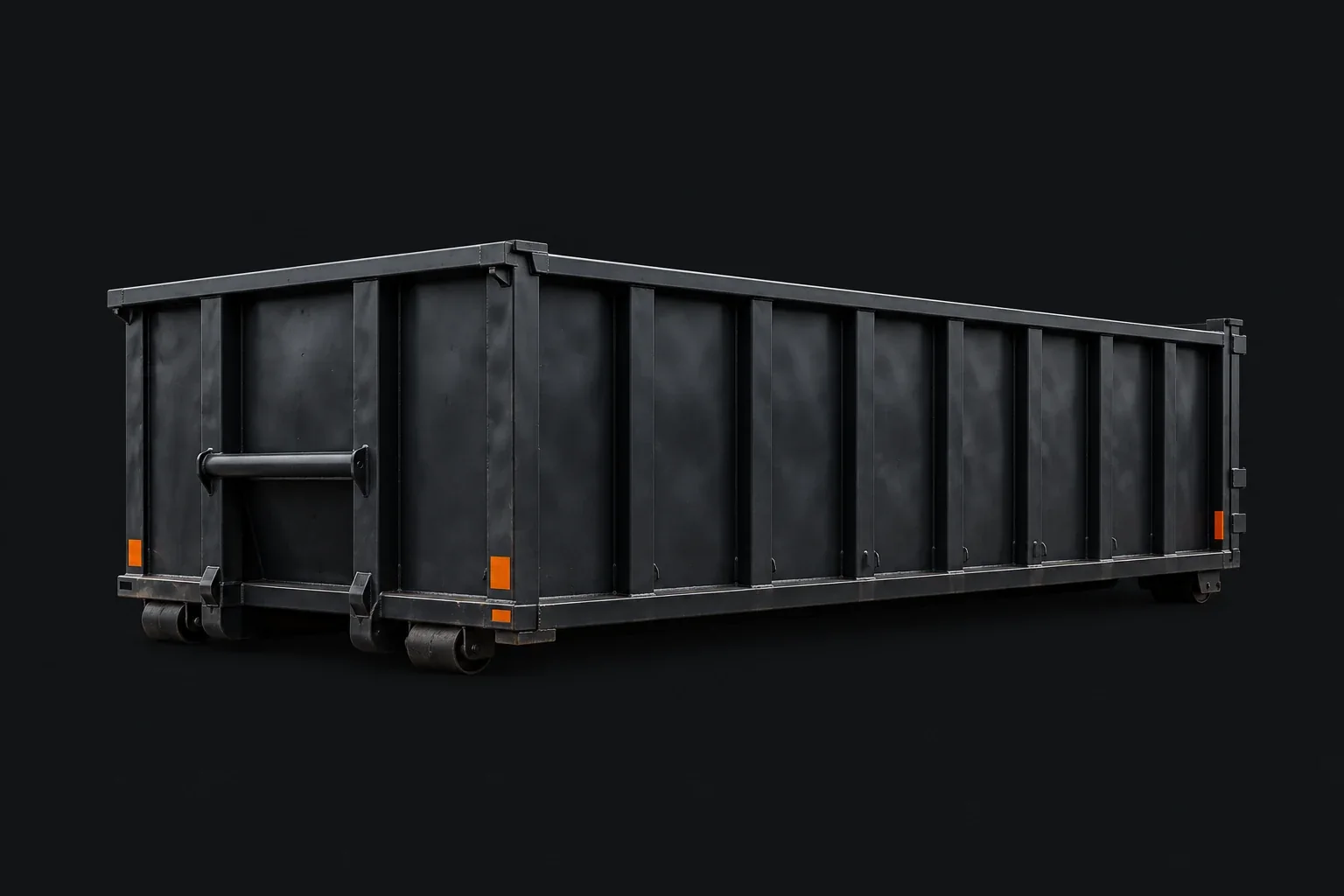
20 Yard
Smaller jobs, and the size dense material usually needs.
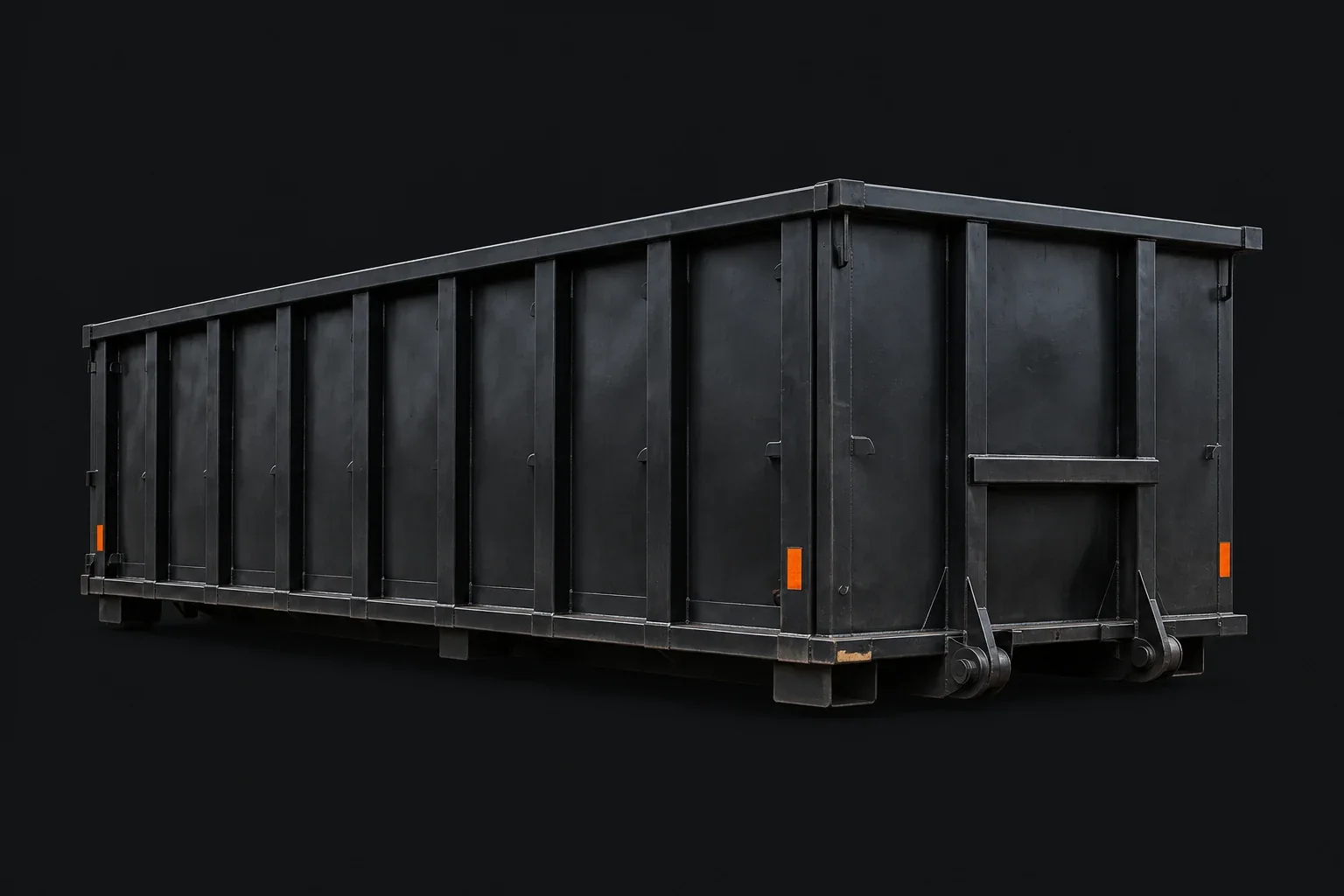
30 Yard
Mid-size, for mixed loads with a bit of everything.
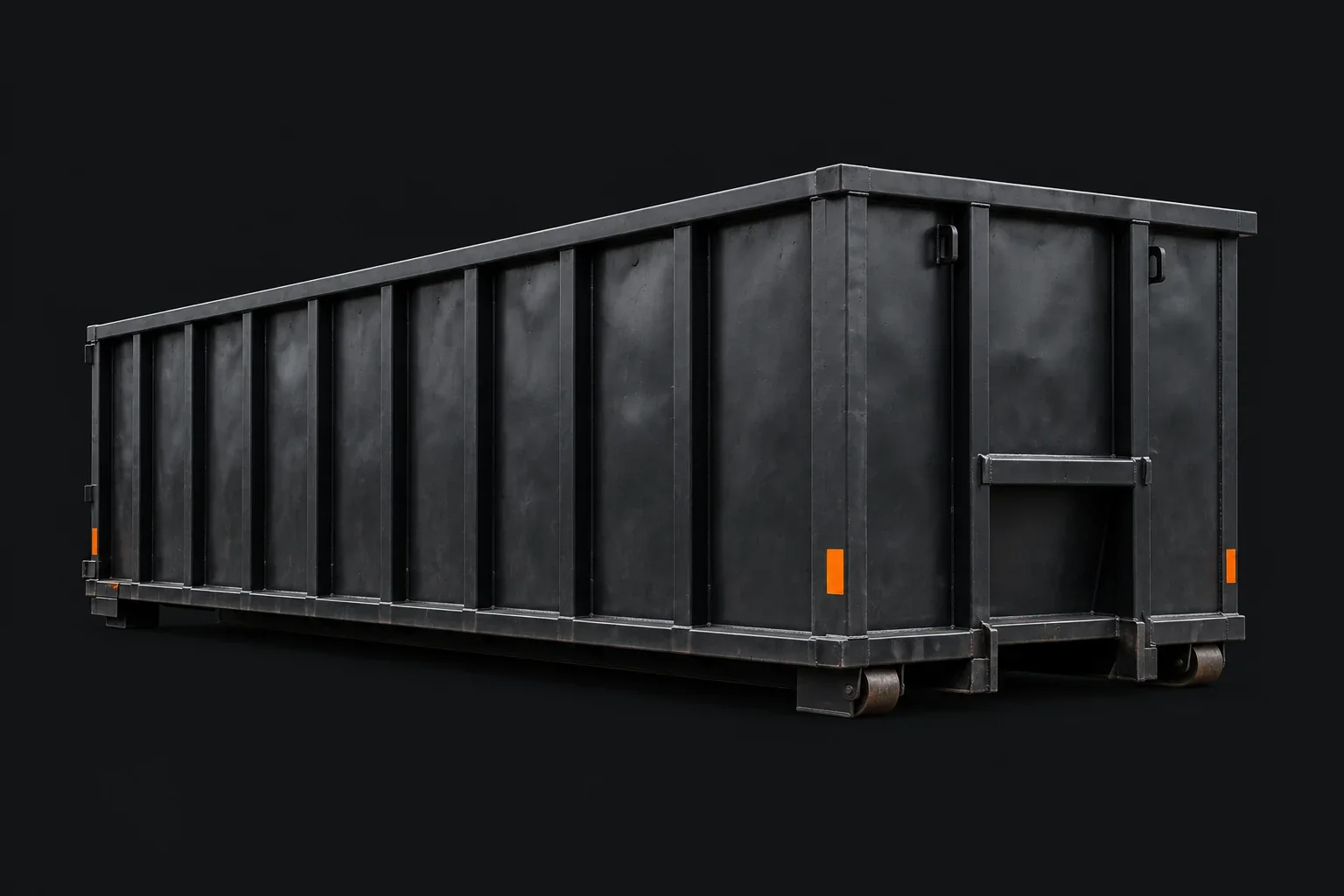
40 Yard
High volume where the material is light and bulky.
A roll-off container is the simplest way to keep a worksite, a cleanout or a renovation moving: the container arrives, your crew loads it, and it leaves full. SteelPoint delivers 20, 30 and 40 yard roll-off containers, and we also offer containers dedicated to concrete and cement and to dirt, because those loads behave nothing like household or construction debris.
Choosing well comes down to two questions that people often answer separately when they need to be answered together: how much room does the debris take up, and how much does it weigh. A container that is big enough by volume can still be the wrong container for the material going into it. That is the conversation we have with you before anything gets delivered.
Sizing by volume and by weight
Volume is the obvious half. Bulky, light debris — cabinetry, framing offcuts, furniture, packaging, general renovation waste — fills a container quickly without ever getting heavy, so the larger sizes usually make sense.
Weight is the half that catches people out. Concrete, brick, block, tile, soil, rock, asphalt and roofing material are dense. A container that looks half empty can already be at the limit of what a truck can legally and safely carry on the road. That is why dense material is typically matched to a smaller container or to a container we keep specifically for concrete and cement or for dirt.
We do not publish a single chart that says every size will take every material, because it would not be true. Tell us what is going in and we will confirm the right container, along with any limits that apply to that material, when we send your quote.
Site access and placement
A roll-off truck needs a straight, reasonably level run to set a container down and a clear path to pull it back up. Before delivery it helps to know the surface it will sit on, the overhead clearance along the approach, the width of gates or driveway entrances, and whether anything — parked vehicles, low branches, irrigation, utility boxes — sits in the way.
Driveways, pavers and finished concrete can mark under the weight of a loaded container. If placement is on a surface you care about, tell us and we will talk through positioning and protective boards before the truck arrives.
Some jobs sit on a public street or in a shared lot, which can mean a permit or a property manager sign-off. We will flag what we can see, but confirming local permission sits with the site owner or the general contractor.
Loading the container well
Load heavy material first and spread it across the floor rather than piling it at one end — an unbalanced container is harder and less safe to lift. Break down bulky items so the space is actually used, and keep everything level with the top rail: an overloaded container that cannot be safely covered or hauled has to be reloaded before it can leave, and that costs you a day.
Keep materials separated where we have asked you to. Mixed loads are sometimes fine, but a clean load of concrete, metal or green waste often has a straightforward disposal or recycling route that a contaminated one does not.
Delivery and pickup
We confirm a delivery window with you rather than promising a fixed hour, because equipment availability, site conditions and the day before yours all affect it. The same applies to pickup: call or email when the container is ready and we will schedule the haul.
If the job runs longer than planned, let us know before the agreed period ends so we can arrange to keep the container on site or swap it for an empty one.
From inquiry to pickup.
Tell us about the job
Describe the material, the volume and the site. If you are not sure which container fits, that is a normal starting point — say so and we will work it out with you.
Arrange delivery
We confirm the container, the placement, the material rules that apply and a delivery window that works around your schedule and our availability.
Schedule pickup
Let us know when it is loaded. We collect it, handle the disposal or recycling route for the material, and arrange a swap if the job is still running.
Materials, site access, duration and availability are confirmed as part of your quote. We agree windows with you rather than publishing lead times we cannot promise.
Every job a container suits.
Container Rentals questions.
Start with what the debris is rather than how big the job feels. Light and bulky material fills volume fast and usually suits a larger container; concrete, dirt, tile and roofing are dense and usually suit a smaller one or a container kept specifically for that material. Describe the material and the rough quantity in your quote request and we will recommend a size.
No. We do offer concrete and cement containers and dirt containers, but heavy material is not something you can simply put in whichever container happens to be on site. Capacity and load limits depend on the material, so we confirm the correct container and the limits that apply to it before delivery.
Most containers go on a driveway, a yard, a parking area or a cleared part of the jobsite — anywhere the truck can reach in a straight line with clearance overhead. Placement on a public street or in a shared lot may need permission from the city or the property manager. Tell us the surface and the approach and we will talk through the options.
A loaded container is heavy, and driveways, pavers and decorative concrete can mark. If placement is on a finished surface, say so when you request your quote so we can discuss positioning and protective boards.
Rental periods are agreed as part of your quote rather than fixed in advance, because it depends on the container, the material and what else is scheduled. Tell us how long you expect to need it and we will confirm the arrangement, including what to do if the job overruns.
Give us your best description and flag the uncertainty. It is far better to talk through a mixed or unknown load before delivery than to discover on pickup day that the material needs a different disposal route.
Photography shown is illustrative placeholder imagery, not photographs of SteelPoint equipment or completed projects.
Ready for a container rentals quote?
Tell us the material, the site and the timing. We will confirm what fits and send a quote — no pricing is published, because every job is different.