Landscaping Debris Disposal
Yard and landscaping debris, with each material identified so the load goes to the right place.
Landscaping produces several materials that look like one pile. Green waste, soil, rock, sod, concrete edging and old hardscape all come out of the same yard on the same day, and they could not be more different once they reach a disposal or recycling facility.
Clean green waste often has a straightforward route. Clean soil and clean rock have their own. A mixed load of all three, with a length of concrete edging buried in it, usually has none — which is why the material list matters more here than on almost any other kind of job.
Typical projects
- Tree, shrub and hedge removal
- Lawn replacement and sod removal
- Grading and soil excavation for a new bed or patio
- Rock, gravel and decorative stone removal
- Old hardscape, edging and retaining material coming out
- Seasonal or storm clearance
Identify each material separately
When you request a quote, list the materials individually and give a rough proportion for each. Green waste, soil, rock, sod and any concrete or hardscape are not interchangeable, and the mix decides both the container and where the load can go.
If separating on site is practical — even roughly, into distinct piles or into separate containers — say so. A clean stream is almost always the better outcome for both the material and the job.
Weight comes first here
Soil, rock, sod and wet vegetation are dense. Yard material regularly reaches a truck weight limit long before the container looks anywhere near full, and that is normal rather than a sign something has gone wrong.
Because of that, soil and rock are often matched to a dedicated dirt container rather than a general one. Tell us what the load actually is and we will confirm the right container and the limits that apply to it.
Placement on soft ground
Landscaping jobs often mean placing a container on grass, gravel or freshly worked ground, which can rut or sink under a loaded container. Tell us the surface and we will talk through positioning and whether boards make sense.
Three steps.
Tell us about the job
List the materials and rough proportions, and describe where the container can sit.
Arrange delivery
We confirm acceptance, the right container for the material, and the limits that apply.
Schedule pickup
Let us know when it is loaded. Separated loads are routed appropriately for the material.
Materials, site access, rental duration and availability are confirmed as part of your quote. SteelPoint supplies and collects the container — loading is carried out by you or by a crew you arrange.
Questions about this job.
Sometimes, but a mixed load is usually handled as general disposal rather than following a recycling route. If separating is practical, it is normally the better result. Tell us the mix and we will confirm what is workable.
It does not fill up — it weighs out. Soil and rock reach a safe and legal transport weight well before the container looks full, which is why heavy material is matched to specific containers.
Large stumps and trunk sections are assessed case by case, because size and weight affect both loading and disposal. Describe what you have, with approximate dimensions, in your quote request.
It can, with the understanding that a loaded container will mark soft ground. Tell us the surface and we will discuss placement and protection first.
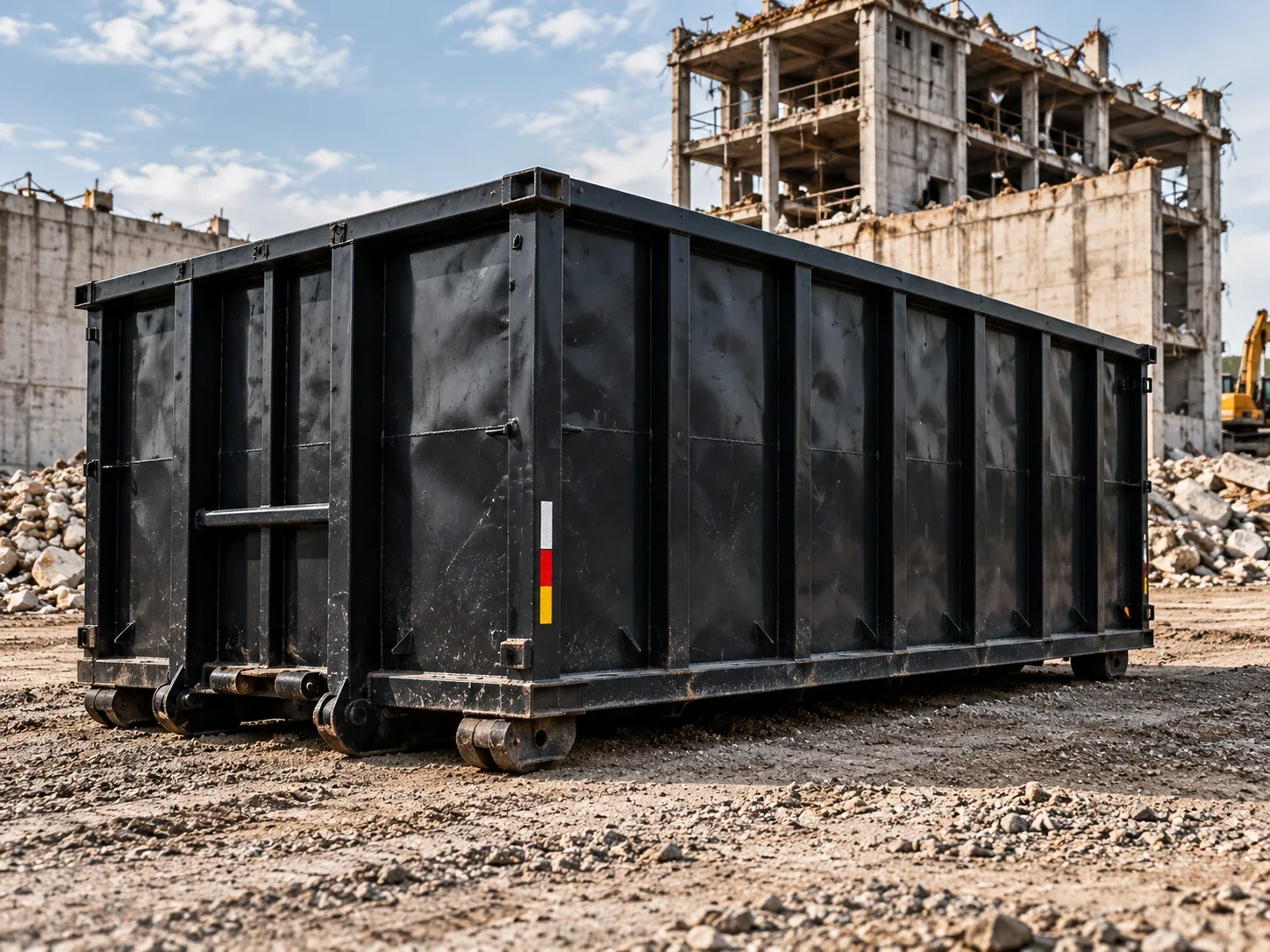
Photography shown is illustrative placeholder imagery, not photographs of SteelPoint equipment or completed projects.
Get this job quoted.
Tell us the material, the site and the timing. We will confirm what fits and send a quote — no pricing is published, because every job is different.