
Residential Dumpster Rentals
A roll-off container on your driveway for the projects that generate more than the curbside bin can take.
Most household projects produce debris in one concentrated burst. A bathroom comes out over a weekend, a deck comes down in an afternoon, twenty years of garage accumulation leaves in a single push. A container sitting where you are working turns that into one clean operation rather than a dozen trips.
The two things worth getting right before delivery are what you are throwing out and where the container goes. Both are easy to settle in a short conversation, and both are awkward to change once a loaded container is sitting on your driveway.
Typical projects
- Bathroom or kitchen refresh with cabinetry, fixtures and tile coming out
- Flooring replacement across several rooms
- Deck, shed, fence or patio cover removal
- Garage, attic or basement clear-out
- Yard reshaping with vegetation, soil or rock
- Post-move clearance of furniture and packaging
Choosing the volume
Household debris is usually bulky rather than heavy, so volume tends to be the limiting factor — until tile, concrete, soil or roofing enters the picture, at which point weight takes over. A container that would comfortably swallow an entire garage of boxes can be at its limit with a fraction of that in broken tile.
Describe the material rather than the room. "Two rooms of carpet, underlay and baseboards" tells us far more than "a medium job," and it is the difference between the right container arriving and a second trip.
Placement and access
A driveway is the usual spot. The truck needs a straight approach, clearance overhead for power lines and branches, and enough room to set the container down and pull it back up in line.
Driveways, pavers and decorative concrete can mark under a loaded container, so say what the surface is and we will talk through positioning and protective boards. If the only workable spot is on the street, that may need permission from the city — flag it early rather than on delivery day.
Collection
Let us know when it is loaded and we schedule the haul. Keep the load level with the top rail: an overfilled container cannot be safely covered or transported and has to be reloaded before it can leave.
Three steps.
Tell us about the job
Describe the project, the material and where the container should sit.
Arrange delivery
We confirm the size, the placement and a delivery window that suits your weekend or your trades.
Schedule pickup
Call or email when it is full and we collect it.
Materials, site access, rental duration and availability are confirmed as part of your quote. SteelPoint supplies and collects the container — loading is carried out by you or by a crew you arrange.
Questions about this job.
Not necessarily, as long as the placement spot is clear and we have unambiguous instructions about where it goes and how the truck reaches it. Blocked access is the most common reason a delivery cannot be completed.
Sometimes, and it may require permission from the city or your HOA. Tell us if street placement is the only option so we can discuss it before the truck is scheduled.
Get in touch and we will arrange a swap for an empty container or a pickup, depending on what is still to come out.
Those are handled differently from general household debris and are not simply loaded in. List anything of that kind in your quote request and we will tell you what can go in and what needs another route.
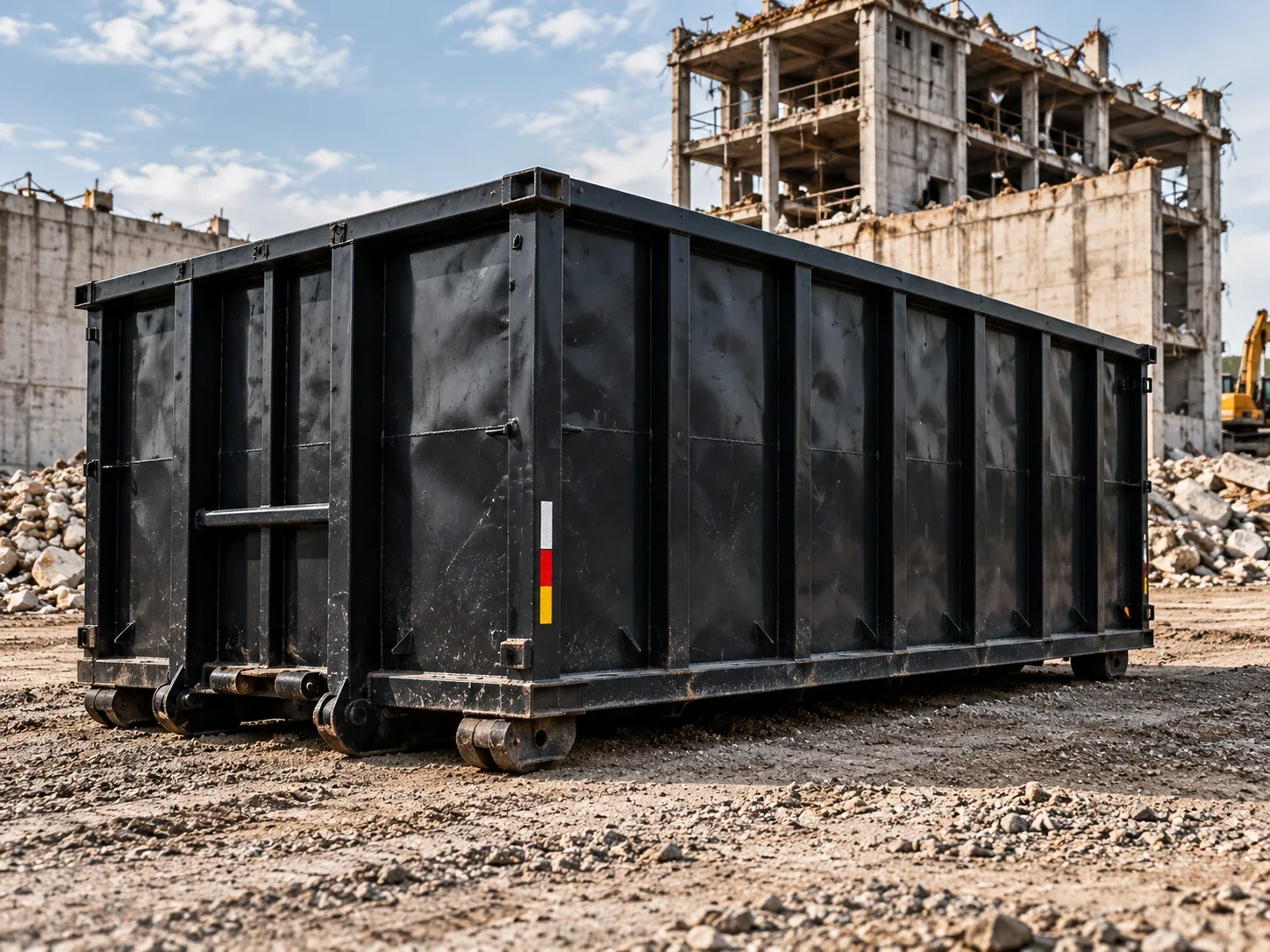
Photography shown is illustrative placeholder imagery, not photographs of SteelPoint equipment or completed projects.
Get this job quoted.
Tell us the material, the site and the timing. We will confirm what fits and send a quote — no pricing is published, because every job is different.