Demolition
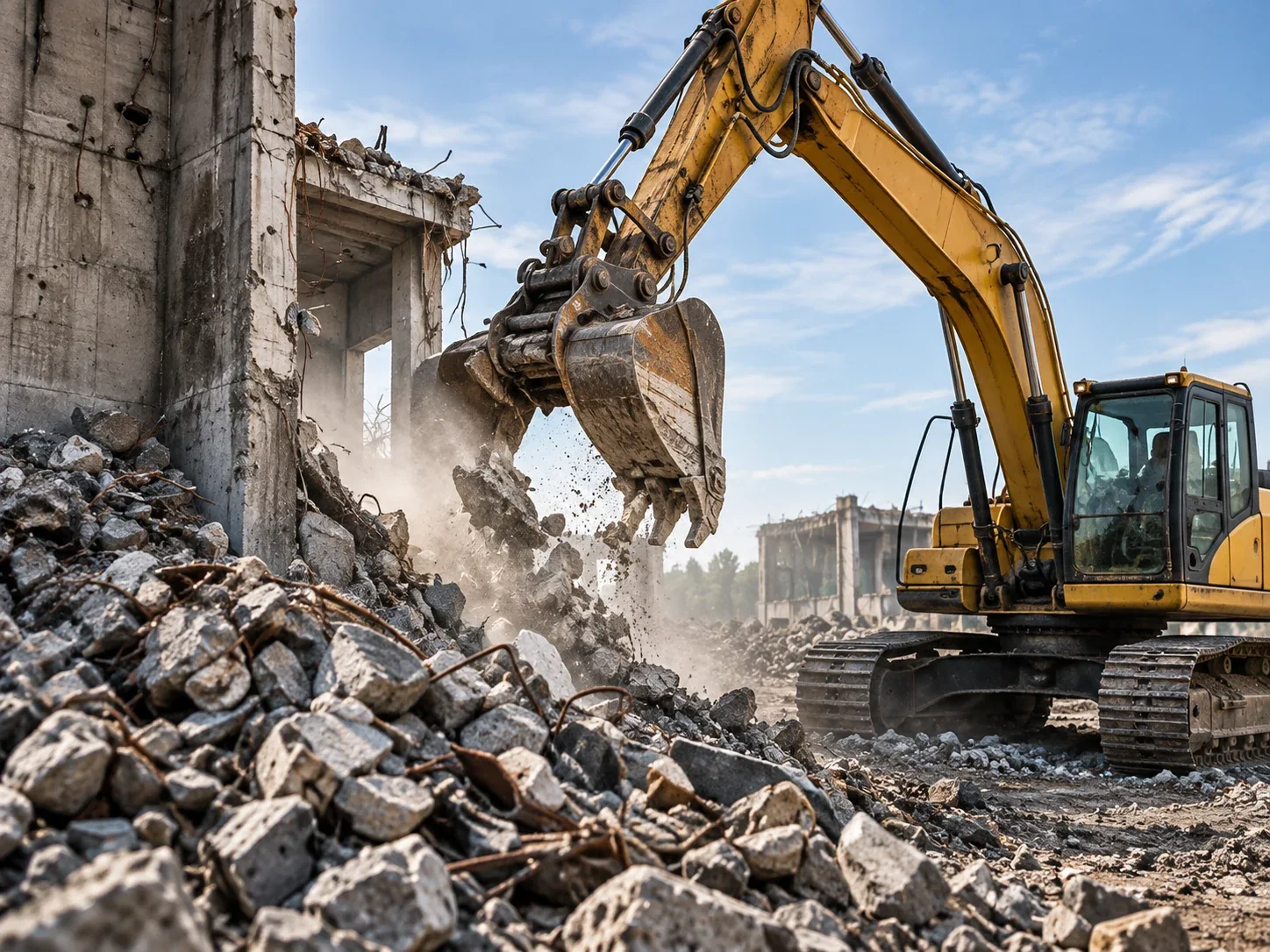
Controlled removal, clean separation between what comes down and what stays, and debris handled properly on the way out.
What demolition covers

Site Assessment
Scope, materials and access agreed before anything starts.
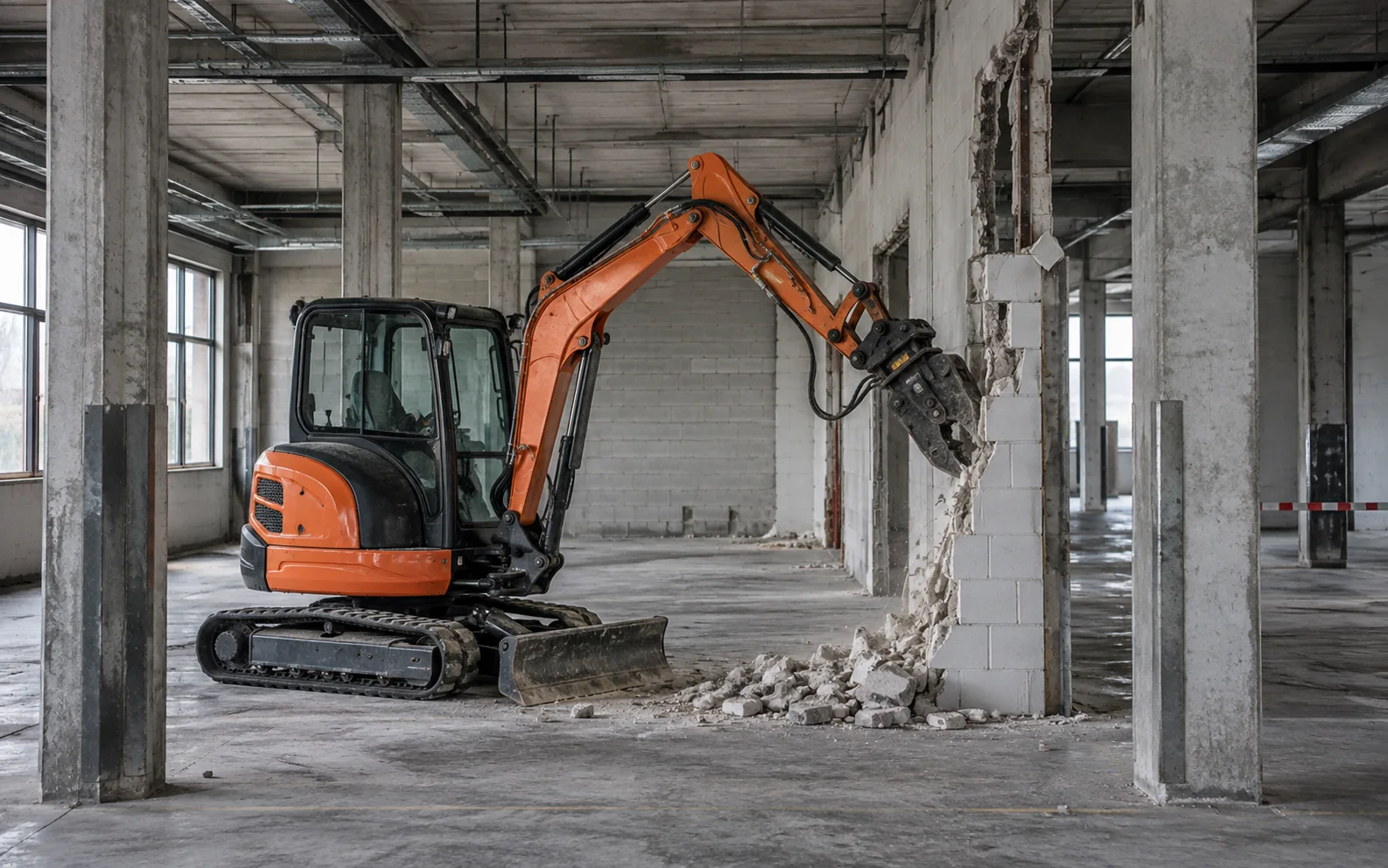
Controlled Removal
Clean separation between what comes down and what stays.
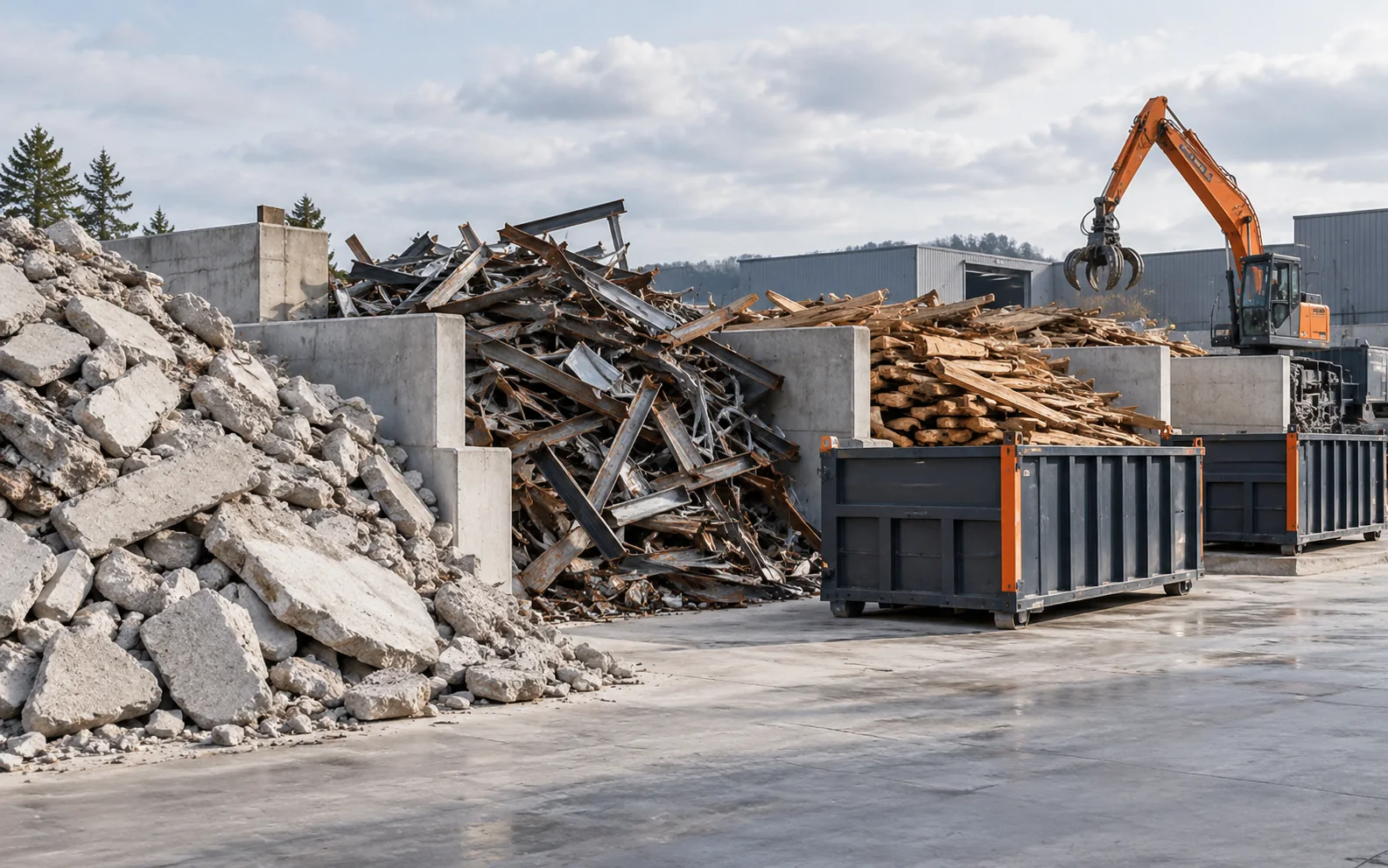
Debris & Recycling
Material sorted and routed rather than all buried.
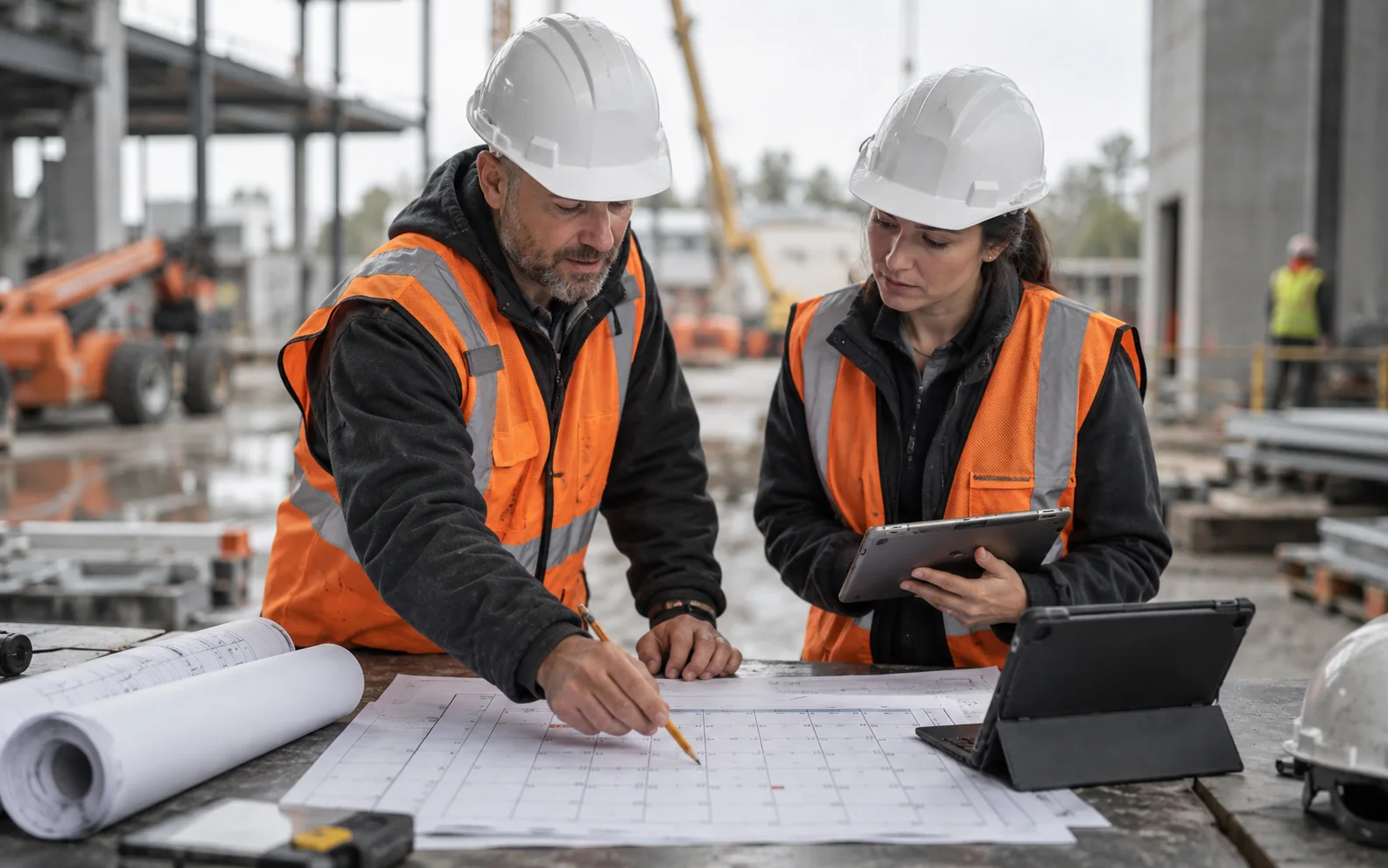
Scheduling
Sequencing agreed with you. No turnaround promised in advance.
Demolition is the part of a project where being specific pays for itself. The difference between a clean handover and an expensive misunderstanding is almost always a line that was never drawn clearly: what comes down, what stays, and who is responsible for the boundary between them.
SteelPoint approaches demolition by settling that first. We assess the site, agree the scope in terms anyone on the job can point at, and plan the debris route before the work starts — because a demolition that generates material nobody planned for stops being a demolition and starts being a storage problem.
Assessing the site
Every demolition quote starts with understanding the structure or the area, what it is made of, and what is around it. Concrete, masonry, timber framing, steel, tile and mixed construction all come apart differently and produce very different debris.
We also look at what is adjacent. Neighboring structures, shared walls, finished surfaces that stay, live utilities, landscaping and parking all shape how the work is sequenced and how much protection goes in first.
Defining what comes down and what stays
The scope gets written down in plain language and, where it helps, marked on site. Which areas are being removed, where removal stops, which finishes, fixtures, slabs or framing are being retained, and whether anything is being salvaged rather than demolished.
If there is something you want kept — a slab, a facade, a set of doors, an appliance, a piece of equipment — say so early. Retention is straightforward to plan for and expensive to reverse.
Access, protection and sequencing
Getting equipment in and debris out drives the schedule as much as the demolition itself. We look at approach routes, gate and driveway widths, overhead clearance, ground conditions, where containers can sit and where a truck can turn around.
Protection goes in before anything comes down: surfaces that stay, adjacent property, and the path debris travels along. On occupied or partly occupied sites we also agree how the work area is separated from the parts that stay in use, and what hours make sense for the people around it.
Debris, recycling and disposal
Demolition debris is the output of the job, and it is planned rather than dealt with afterwards. We coordinate containers on site, the separation that makes sense for the material, and the route each stream takes when it leaves.
Clean concrete, metal and other recoverable material often has a recycling route. Mixed and contaminated debris generally does not, and is handled as disposal. Separating on site — where the sequence allows it — usually means a better outcome for the material and a tidier site while the work is running.
Scheduling
We agree dates and working windows with you rather than promising a lead time before we have seen the job. Where demolition has to fit between other trades, tell us what is before and after you in the schedule so the sequence works.
From inquiry to pickup.
Tell us about the job
Describe the structure or area, what comes down, what stays, and how the site is reached. Photos help more than almost anything else at this stage.
Agree scope and access
We confirm the removal boundary, the protection that goes in first, how debris leaves the site, and the working window — all before anything starts.
Clear and hand back
The work is carried out to the agreed scope, debris is routed to recycling or disposal as the material allows, and the area is handed back ready for what is next.
Materials, site access, duration and availability are confirmed as part of your quote. We agree windows with you rather than publishing lead times we cannot promise.
Related rental uses.
Demolition questions.
General demolition work where the scope, the materials and the site access can be assessed and agreed in advance. Describe your project in a quote request and we will tell you directly whether it is work we can take on — including when it is not.
You tell us, and we write it into the scope before work starts. Anything being retained or salvaged — a slab, a wall, fixtures, equipment, landscaping — is identified up front and protected as part of the plan.
Permit handling is not part of what we offer as standard. Requirements vary by jurisdiction and by scope, and responsibility for obtaining them usually sits with the property owner or the general contractor. Raise it in your quote request and we will be clear about who does what.
Debris is planned as part of the job. Containers are coordinated on site, materials are separated where the sequence allows, and recoverable material goes to recycling where it can. Mixed or contaminated debris is handled as disposal.
Not honestly. Scheduling depends on the scope, the access and what else is running, so we confirm dates with your quote rather than publishing a turnaround we might not meet.
Photography shown is illustrative placeholder imagery, not photographs of SteelPoint equipment or completed projects.
Ready for a demolition quote?
Tell us the material, the site and the timing. We will confirm what fits and send a quote — no pricing is published, because every job is different.