Construction Dumpster Rentals
Jobsite containers placed where the trades are working and swapped to the rhythm of the build.
On an active jobsite, the container is a piece of site logistics rather than an afterthought. Where it sits determines how far every trade carries debris, how much of it ends up on the ground instead, and whether a delivery truck can still reach the building.
Volume and material change as the build progresses, so the container plan changes with it. Framing waste, concrete washout, packaging and finish debris are four different problems arriving in sequence.
Typical projects
- New residential or light commercial construction
- Tenant improvement and fit-out work
- Site preparation and clearance
- Structural alterations and additions
- Multi-phase builds needing scheduled swaps
- Concrete, masonry and hardscape work
Placement on an active site
Position the container close enough to the work that carrying debris is not a decision, and far enough from the building that it does not block deliveries, crane positions or the routes trades use every day.
Ground conditions matter more on a jobsite than anywhere else. A truck needs firm ground and a straight run, and placement that works in week one may not work once excavation starts. If the site changes, tell us early — relocating a container mid-project is a scheduled job, not a same-day phone call.
Material separation
Separating on site usually pays for itself. Clean concrete, clean metal and clean wood each have their own onward route, while a mixed container has one destination and one outcome.
Concrete, block, brick and masonry are dense enough that they are typically matched to their own container. We will confirm which container suits which stream and what limits apply before delivery, rather than leaving the crew to guess in week three.
Scheduling swaps
Tell us the schedule and where the heavy phases fall. Swaps scheduled against the build run smoothly; swaps requested when a container is already overflowing hold up the trades that were waiting on the space.
Three steps.
Tell us about the job
Describe the project, the phase, the materials and the site conditions.
Arrange delivery
We confirm container sizes, placement and any separation the material calls for.
Schedule pickup
Swaps and collections are scheduled against the build as the work moves on.
Materials, site access, rental duration and availability are confirmed as part of your quote. SteelPoint supplies and collects the container — loading is carried out by you or by a crew you arrange.
Questions about this job.
Yes — separate containers for separate streams is often the most practical arrangement on an active site. Tell us the streams and the space available and we will plan it with you.
Usually. Dense material reaches transport weight limits quickly and often has its own disposal or recycling route, so it is typically matched to a container kept for that purpose.
Swaps are scheduled rather than guaranteed same-day, because availability and the day’s routing both matter. Give us the schedule in advance and we will plan around it.
Tell us before it becomes urgent. Relocating a container is a scheduled job requiring a truck and clear access, not something that happens on the spot.
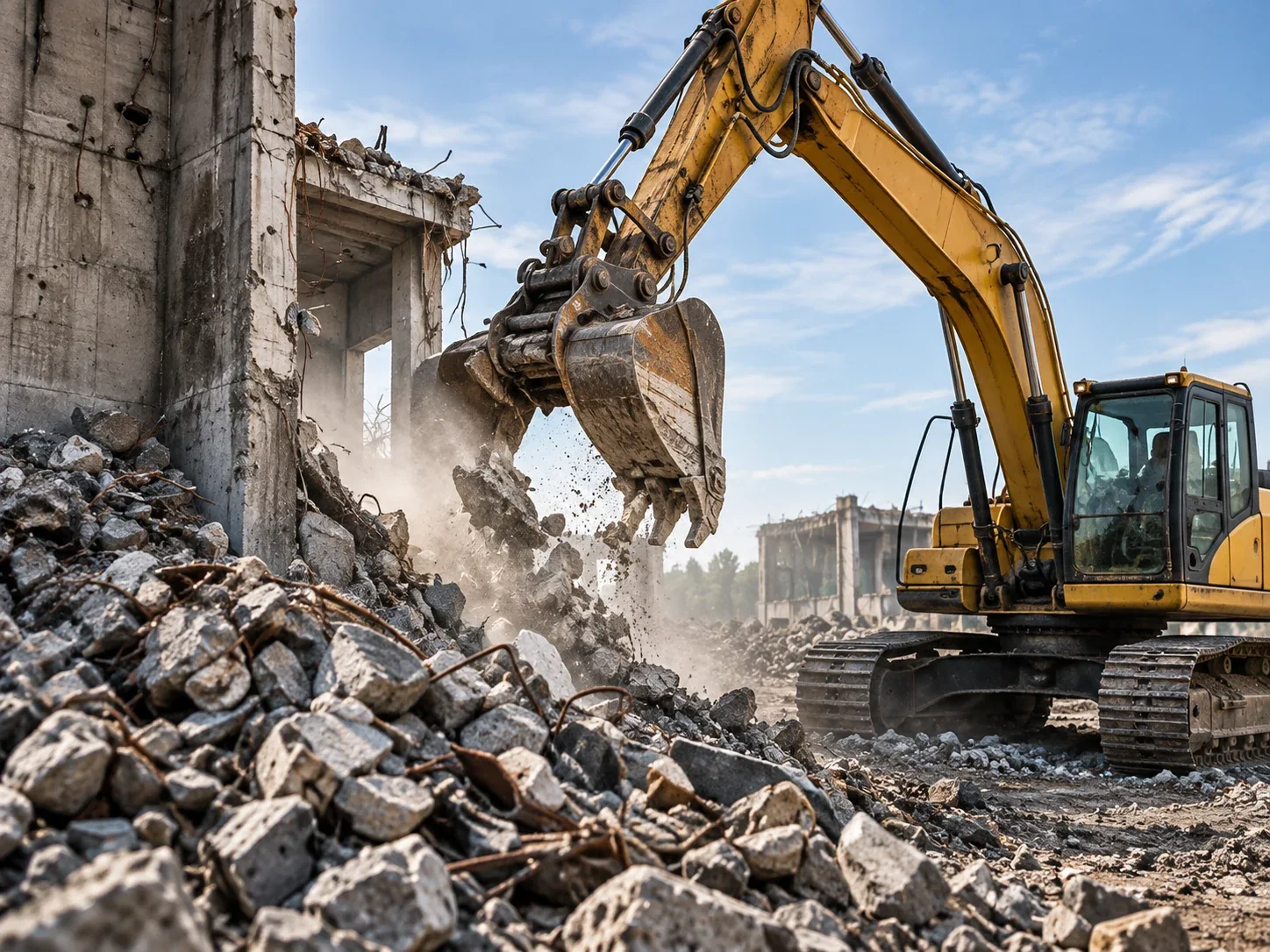
Photography shown is illustrative placeholder imagery, not photographs of SteelPoint equipment or completed projects.
Get this job quoted.
Tell us the material, the site and the timing. We will confirm what fits and send a quote — no pricing is published, because every job is different.