Recycling
Cardboard, copper, metal, aluminum and metal window framing — sorted, assessed and kept out of landfill.
What recycling covers
Cardboard
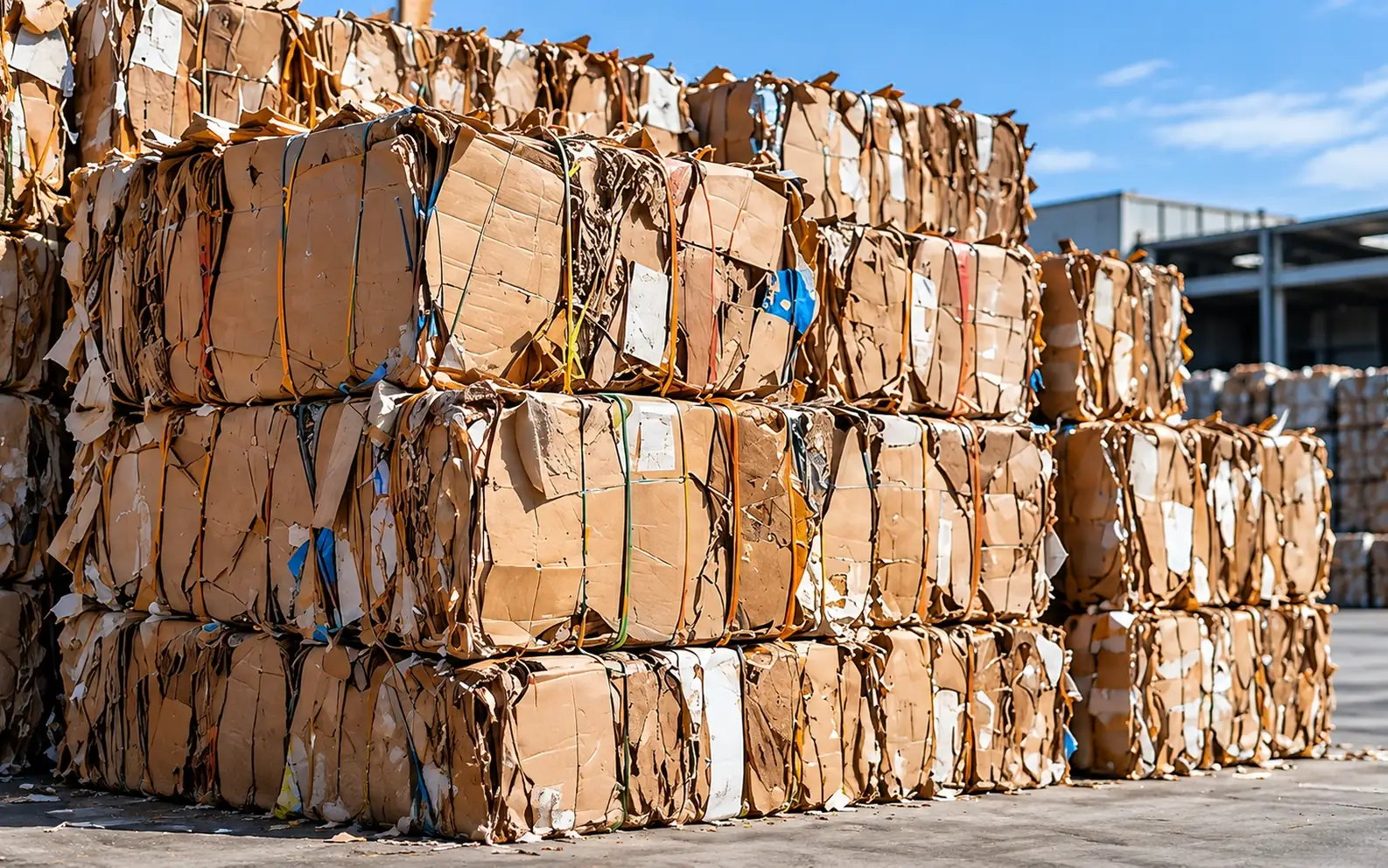
Flattened, dry, free of wax coating and food residue.
Copper
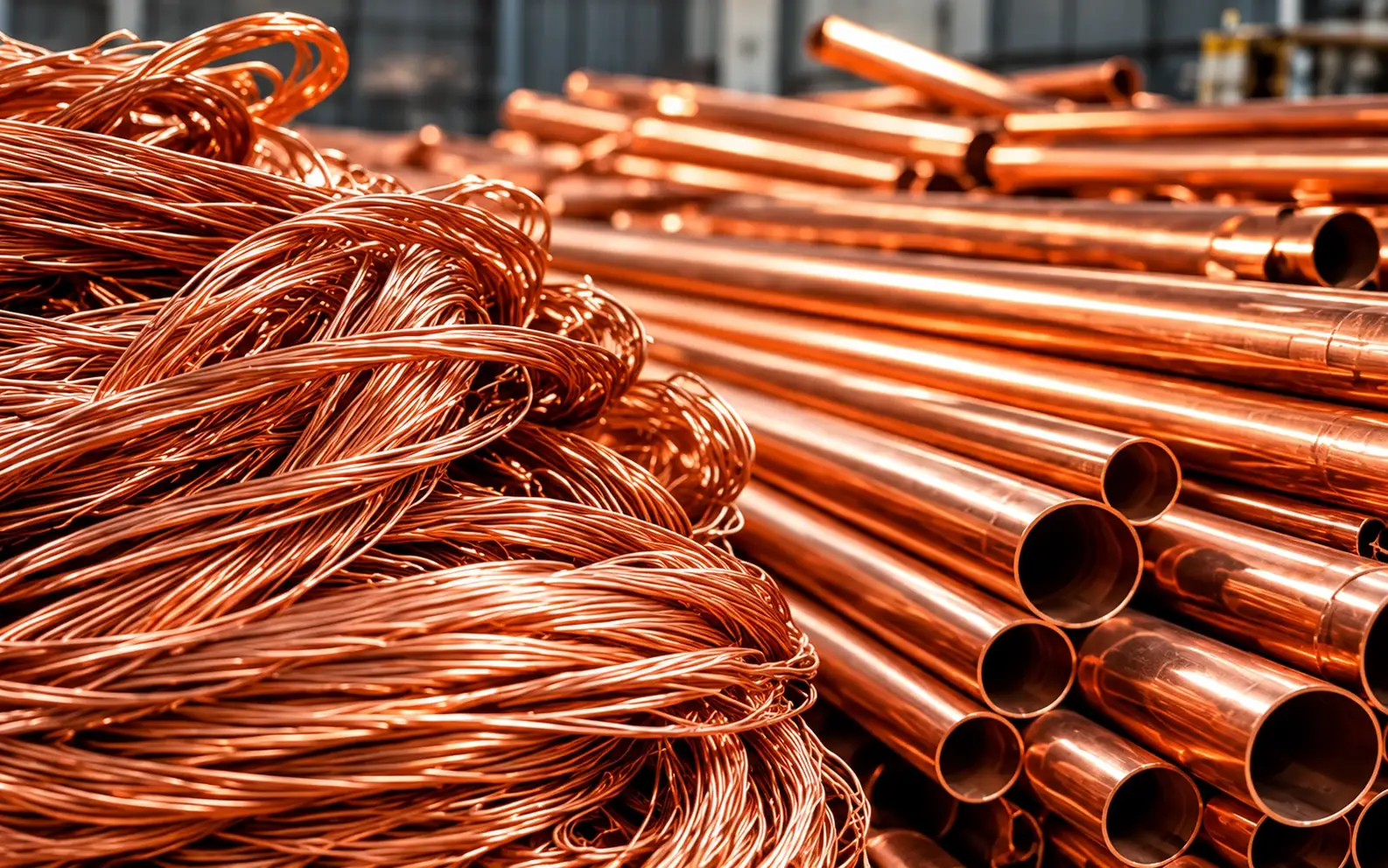
Pipe, wire, sheet and fittings, kept away from steel.
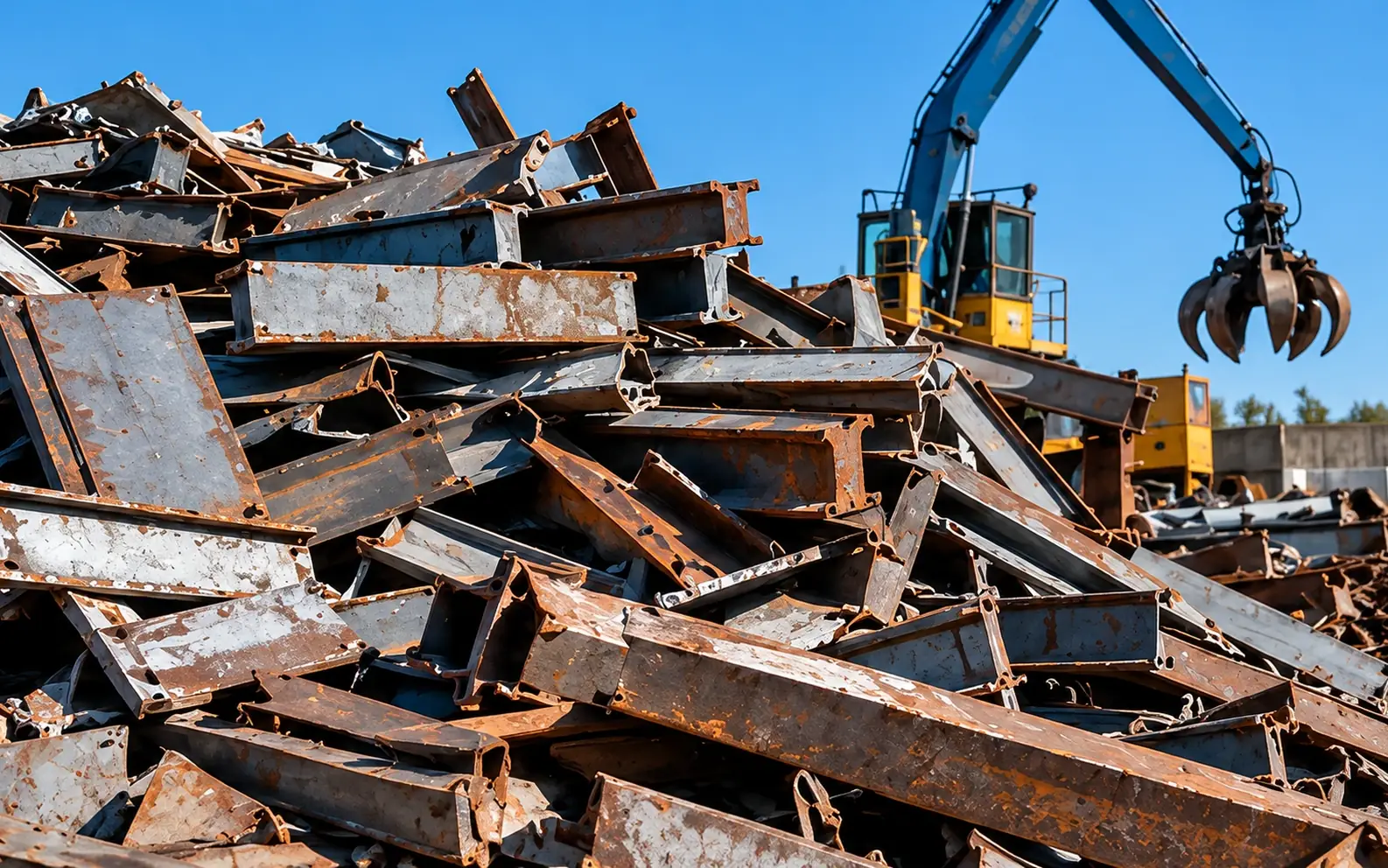
Metal
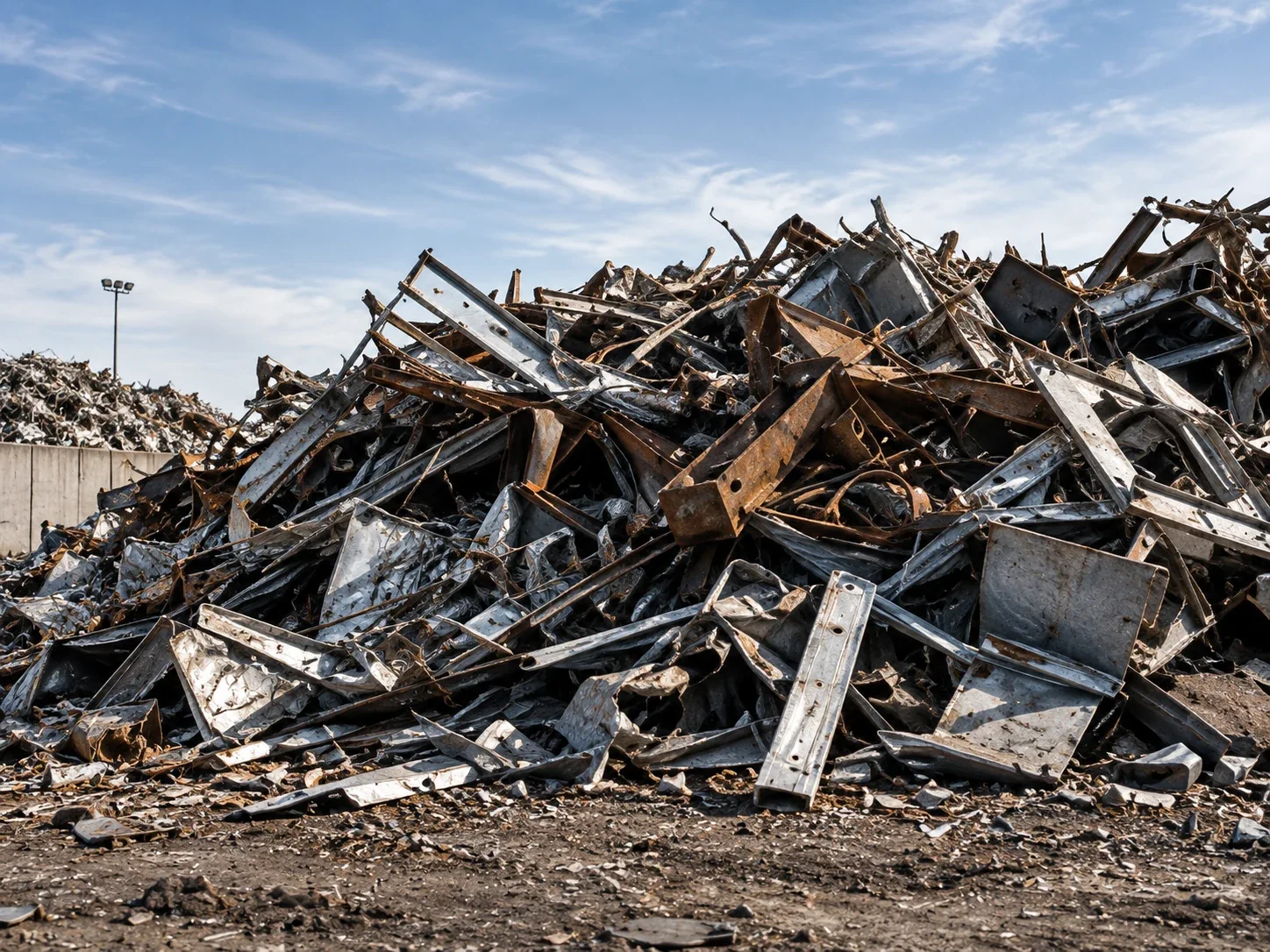
Steel and mixed ferrous, free of plastic and insulation.
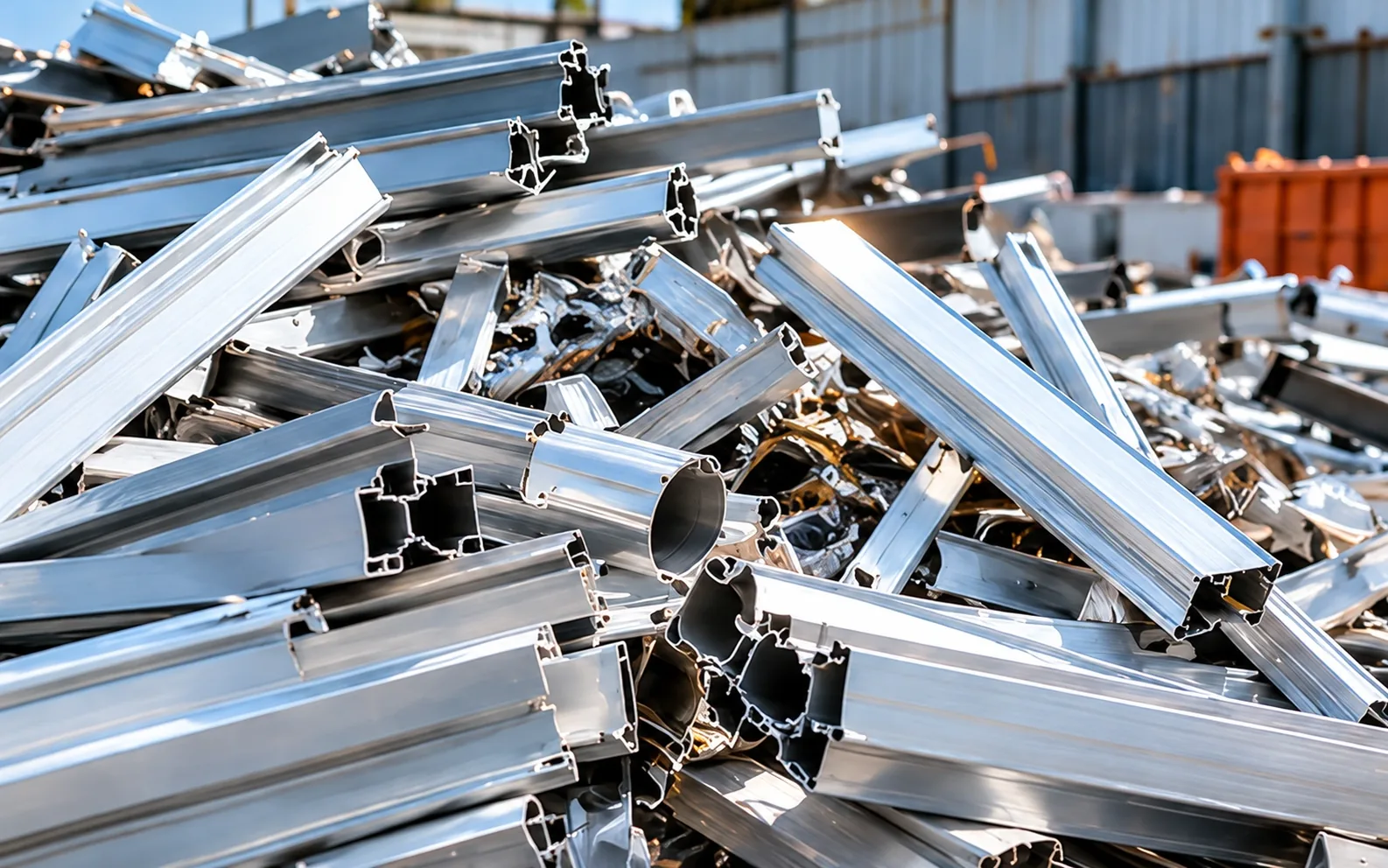
Aluminum
Extrusion, sheet and clean offcuts, separated from ferrous.
Recycling only works when the material arriving is actually recyclable. That sounds obvious, and it is the single thing that separates a load that goes back into production from a load that ends up being disposed of at a cost to somebody.
SteelPoint handles cardboard, copper, metal, aluminum and metal window framing. What we can take, and on what terms, depends on the specific material and how clean it is — so the honest answer to "will you take this?" always starts with a description of what you have.
Materials we handle
- Cardboard — flattened, dry and free of food residue, tape bundles, wax coating and packing foam
- Copper — pipe, wire, sheet and fittings, sorted from other metals
- Metal — steel and mixed ferrous material such as offcuts, framing, brackets and structural pieces
- Aluminum — extrusion, sheet, offcuts and clean scrap
- Metal window framing — aluminum and steel frame sections
Metal window framing means the frame material. Complete windows with glazing, glass panels and sealed units are not automatically accepted: glass changes the handling entirely, and whether we can take a window depends on whether the glazing has been removed and on the condition of what is left. Ask before you load a stack of complete windows into anything.
Separation and contamination
Separation is what protects the value of a load. Keep copper away from steel, keep aluminum away from mixed metal, keep cardboard dry and away from general waste, and keep anything non-metallic out of a metal load.
Contamination is the usual reason a load is downgraded or refused. Wet or greasy cardboard, metal with plastic or insulation still attached, containers with residue inside, and mixed loads where the streams cannot be told apart all create a problem at the receiving end.
If you are not sure how to separate something, ask before you start loading. It is a short conversation and it changes what happens to the whole load.
How recycling differs from disposal
Recycling and trash disposal are two different services and they are not priced or handled the same way. Material that can be recycled goes back into use. General trash, mixed waste and anything that cannot be recovered is disposal — a chargeable service, handled separately from recycling.
We will always tell you which category your material falls into rather than quietly treating one as the other. A load described as recycling that turns out to be mixed waste gets handled as disposal, and you should know that before it leaves your site rather than after.
We do not accept "anything that fits in the bin." What goes in determines where it can go afterwards.
Cardboard
Commercial cardboard from businesses generating it in volume — retail, warehousing, distribution and fit-outs. Commonly accepted: flattened boxes, packaging cartons and clean sheet cardboard.
It needs to be flattened, dry, and free of food residue, wax coating, packing foam and tape bundles. Wet or greasy cardboard is the usual reason a load gets downgraded, because moisture travels through a stack and takes the rest with it.
Cardboard is a material SteelPoint receives value from, and we are glad to talk about ongoing collection rather than one-off pickups. Terms — including whether any payment or credit applies to a supplier, and what collection arrangements are available — are confirmed with you directly. We do not advertise buyback rates or free collection here, because those terms have not been set.
Copper
Commonly accepted: pipe, wire, sheet and fittings. Copper carries the most value of anything on this page, and it loses that value fastest when it is mixed.
Keep it sorted away from steel and mixed metal. Wire with insulation still on, and fittings with brass or steel components attached, are assessed rather than assumed — tell us what state it is in before you arrange collection.
Typically from electrical and plumbing strip-outs, demolition and fabrication work. Describe what you have and roughly how much, and we will confirm what we can take.
Metal
Steel and mixed ferrous material. Commonly accepted: offcuts, framing, brackets, structural pieces and general steel scrap.
It needs to be free of plastic, insulation and residue, and kept apart from the non-ferrous streams. Containers with material still inside them are a problem at the receiving end, not at yours, which is why we ask before rather than after.
Suits fabricators, contractors, demolition work and industrial clear-outs. Volume is usually the thing that decides whether a container on site or a collection makes more sense.
Aluminum
Commonly accepted: extrusion, sheet and clean offcuts. Separated from ferrous metal, with fixings and attachments removed where that is practical.
Aluminum and steel look similar in a pile and behave completely differently once they arrive, so separation matters more here than almost anywhere else. A magnet settles most arguments in a few seconds.
Typically from glazing and window work, fabrication, fit-outs and manufacturing offcuts.
Metal window framing
This means the frame material — aluminum and steel frame sections, commonly from glazing replacement, commercial refits and demolition.
Complete windows with glazing still in place are NOT automatically accepted. Glass changes the handling entirely, and whether we can take a window depends on whether the glazing has been removed and on the condition of what is left.
If you have a stack of complete windows, ask before you load them into anything. It is a short conversation and it decides whether the load is recycling or a problem.
Trash and general disposal — a separate, chargeable service
General trash, mixed waste and anything that cannot be recovered is disposal, not recycling. It is a separate service and it is chargeable. It is on this page because people ask about it in the same breath as recycling, not because it belongs in the same category.
Disposal covers general debris and non-recyclable material that still has to leave a site. We will always tell you which category your load falls under before it is handled, rather than quietly treating one as the other.
Charges depend on the material, the volume and the disposal route, and are confirmed with your quote. Nothing on this site publishes a rate for it.
Getting material to us
Depending on the material and the quantity, that might mean a container on your site, a scheduled collection, or a drop-off. Tell us roughly how much you have, how it is currently stored, and whether it is a one-off clear-out or something recurring, and we will confirm what makes sense.
From inquiry to pickup.
Tell us what you have
Describe the materials, the rough quantity and how separated they are. Photos of a stack or a pallet answer more questions than a paragraph.
Confirm acceptance and collection
We confirm what we can accept, what needs separating first, and whether a container, a collection or a drop-off is the right route.
Material moves on
Accepted material is routed for recycling. Anything that turns out to be non-recoverable is identified as disposal, and we tell you before it is handled that way.
Materials, site access, duration and availability are confirmed as part of your quote. We agree windows with you rather than publishing lead times we cannot promise.
Related rental uses.
Recycling questions.
Cardboard, copper, metal, aluminum and metal window framing. Acceptance for any given load still depends on the specific material and how clean and separated it is, so describe what you have before you arrange anything.
Not automatically. We handle metal window framing. Complete windows with glazing in place are assessed case by case, because glass changes how the material has to be handled. Ask first rather than assuming.
Payment and buyback terms are not published on this site and are not assumed. Cardboard is a material we receive value from, and we are happy to discuss arrangements, but any terms are confirmed with you directly — we would rather set no expectation than the wrong one.
No. Trash disposal is a separate, chargeable service. A load that mixes general waste into recyclable material will usually be handled as disposal rather than recycling, which is the outcome nobody wanted.
Clean enough that the stream is identifiable and usable: cardboard dry and flattened without packing foam or wax coating, metals free of plastic, insulation and residue, and streams kept apart from one another. If you are unsure about a specific item, ask before loading.
Photography shown is illustrative placeholder imagery, not photographs of SteelPoint equipment or completed projects.
Ready for a recycling quote?
Tell us the material, the site and the timing. We will confirm what fits and send a quote — no pricing is published, because every job is different.