Commercial Dumpster Rentals
Containers for business properties, scheduled around the hours you are actually open.
A container at a commercial property has to fit around a business that is still running. Customers need the entrance, staff need the loading dock, and neighboring tenants need their share of the lot. Delivery and collection windows matter as much as the container itself.
The constraints are usually access and timing rather than volume — a shared service yard, a delivery window, a lease condition on where anything can be placed, or a landlord who needs to sign off first.
Typical projects
- Warehouse or stockroom clear-out
- Retail refit or seasonal reset
- Restaurant or hospitality refurbishment
- Industrial or workshop clearance
- Packaging and cardboard from a busy period
- Scheduled removal across a longer project
Access and timing
Tell us the practical constraints up front: business hours, when deliveries arrive, whether the service yard is shared, how wide the entrance is, whether there is a height barrier, and who controls access outside business hours.
Height barriers and low canopies are the single most common reason a commercial delivery cannot be completed. A roll-off truck needs substantial overhead clearance to tip a container off the back, well beyond the clearance needed to simply drive in.
Landlords, managing agents and shared sites
On leased premises, placement often needs a landlord or managing agent to agree it, particularly where the container sits in a shared lot or blocks any part of a common area. Sorting that out before delivery avoids a container arriving somewhere it is not allowed to stay.
Cardboard and recyclable material
Commercial premises generate a lot of clean cardboard, and it does not belong in a general disposal container. If your operation produces it in volume, ask about handling it as recycling instead — see our recycling service for what we accept and how separated it needs to be.
Three steps.
Tell us about the job
Describe the premises, the material, and the hours and access you have to work within.
Arrange delivery
We confirm the container, placement and a window that does not run across your busiest hours.
Schedule pickup
Collection or swaps are scheduled around your operation rather than dropped on it.
Materials, site access, rental duration and availability are confirmed as part of your quote. SteelPoint supplies and collects the container — loading is carried out by you or by a crew you arrange.
Questions about this job.
Tell us the window that works and we will confirm what is possible. Access, staffing and routing all factor in, so we agree it with the quote rather than promising it in advance.
More than you might expect — a roll-off truck needs significant overhead room to set a container down, well beyond driving clearance. Measure any barrier, canopy or covered entrance and send us the figure.
On leased premises, usually yes, especially in a shared lot or common area. Confirm it before delivery is scheduled.
Tell us the frequency and volume you are expecting and we will confirm what arrangement is workable.
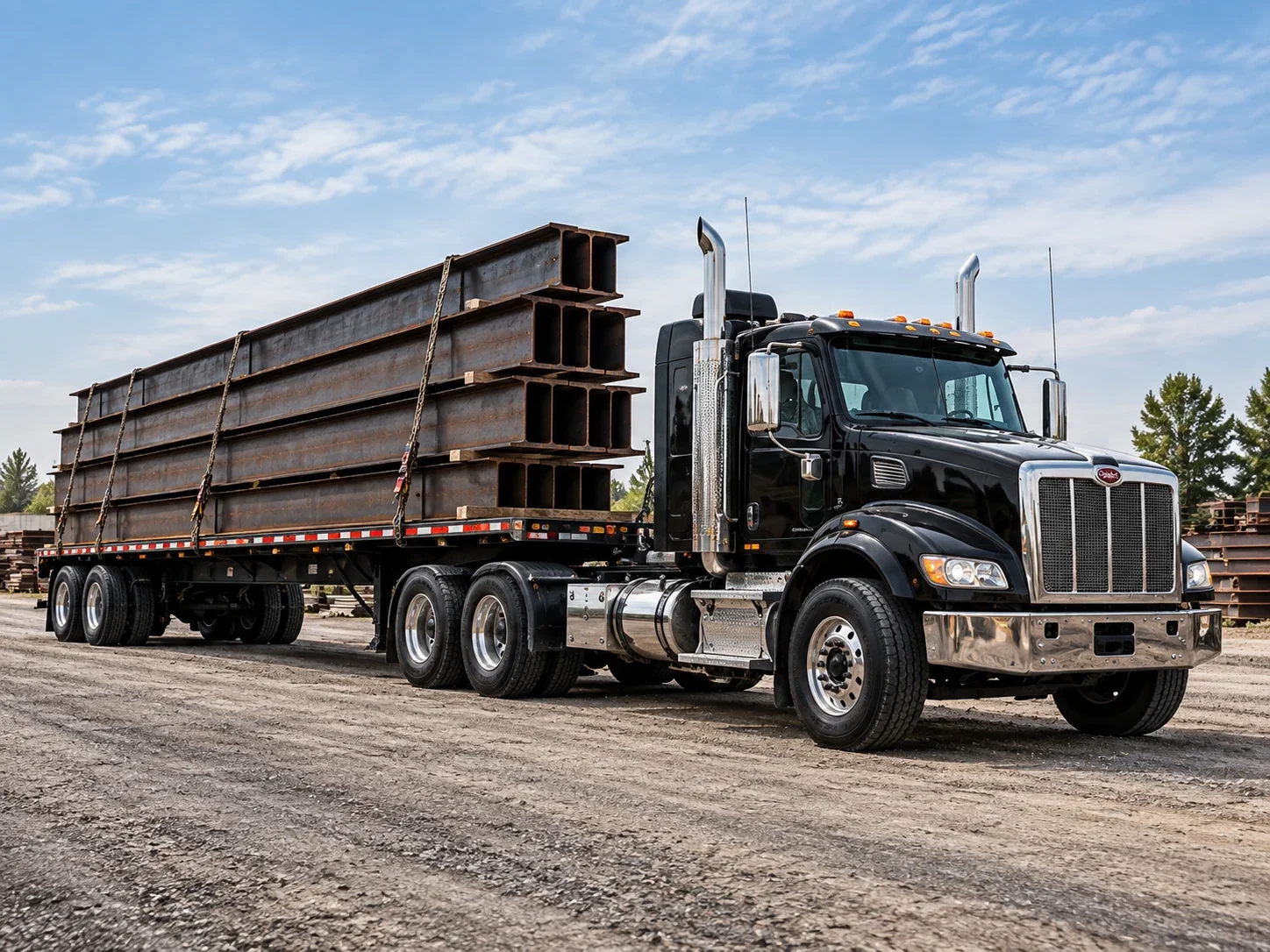
Photography shown is illustrative placeholder imagery, not photographs of SteelPoint equipment or completed projects.
Get this job quoted.
Tell us the material, the site and the timing. We will confirm what fits and send a quote — no pricing is published, because every job is different.