Office & Retail Cleanouts
Furnishings, fixtures and fit-out debris, cleared around building hours and access rules.
Commercial clearances move a lot of material in a short window, usually against a lease date. Desks, seating, partitions, shelving, display fixtures, counters and signage all come out at once, and often through a building with its own rules about elevators, loading docks and working hours.
The timing constraints are what make these jobs, not the volume. A clearance that could be done in a day sometimes takes three because the building only allows freight-elevator access outside business hours.
Typical projects
- Office relocation or downsizing
- Retail unit clearance at the end of a lease
- Tenant improvement strip-out before a fit-out
- Removing display fixtures, shelving and counters
- Clearing a stockroom or back-of-house area
- Partition and workstation removal
Electronics are not automatic
Computers, monitors, printers, servers, televisions, displays and similar equipment are not automatically accepted in a general container. Electronic waste is handled under its own rules, separately from furniture and fit-out debris.
List the electronics you have — what they are and roughly how many — in your quote request. We will tell you plainly what can be handled and what needs a different route. Do not assume anything that fits will be taken.
Building access and hours
Multi-tenant buildings usually have rules: freight-elevator booking, loading-dock windows, restrictions on working during business hours, and a building manager who has to authorize anything in a shared area. Find out what applies before a container is scheduled.
Overhead clearance in loading docks and covered service yards is the usual obstacle for roll-off delivery. Send a measurement if there is any canopy or barrier.
Set aside what has value
Office furniture in serviceable condition, working equipment and fixtures often have resale or donation value, and pulling them out first reduces the volume going into the container. Confidential records need handling separately under whatever policy applies to them — a disposal container is not a records destruction service.
Three steps.
Tell us about the clearance
Describe the premises, the material, any electronics, and the building rules you are working within.
Arrange delivery
We confirm the container, placement and a window that fits the building’s access rules.
Schedule pickup
Collection is scheduled against your handover date, with a swap if the volume needs it.
Materials, site access, rental duration and availability are confirmed as part of your quote. SteelPoint supplies and collects the container — loading is carried out by you or by a crew you arrange.
Questions about this job.
Not automatically. Electronic waste is handled under separate rules. List what you have and we will confirm what is acceptable and what needs a different route.
A disposal container is not a secure destruction service. Handle records under your own retention and destruction policy before anything is loaded.
Tell us the windows available and we will confirm what is workable. Building-imposed hours are usually the deciding factor, so send those constraints early.
No. We supply and collect the container. Carrying and loading is handled by your team or a contractor you arrange.
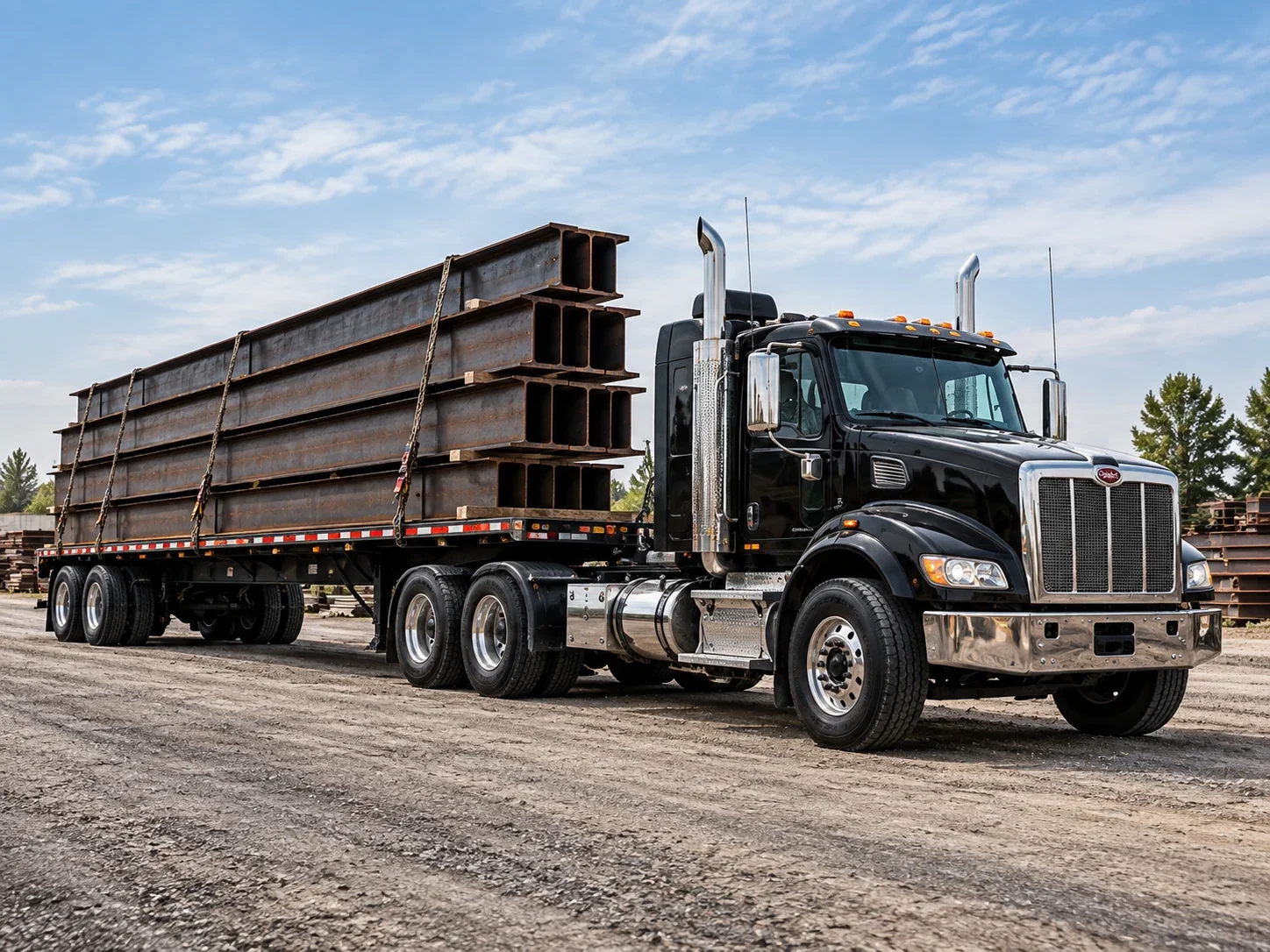
Photography shown is illustrative placeholder imagery, not photographs of SteelPoint equipment or completed projects.
Get this job quoted.
Tell us the material, the site and the timing. We will confirm what fits and send a quote — no pricing is published, because every job is different.